Pitched roofs
Roof surveys and inspections
£100 to £600 is the typical price for a roof survey, depending on how detailed it is. A survey records the condition of the roof, shows any faults and says what may need repair. It is useful before buying a house, after a storm, or before a larger job.
Post your roofing job to Premium membersTell us about your job once. Premium roofers who cover your area can then contact you.Describe your job
What this covers
What it costs. Most roof surveys cost £100 to £600, depending on how detailed they are. Full cost breakdown.
What the job covers
- Inspecting the whole roof for damage and wear
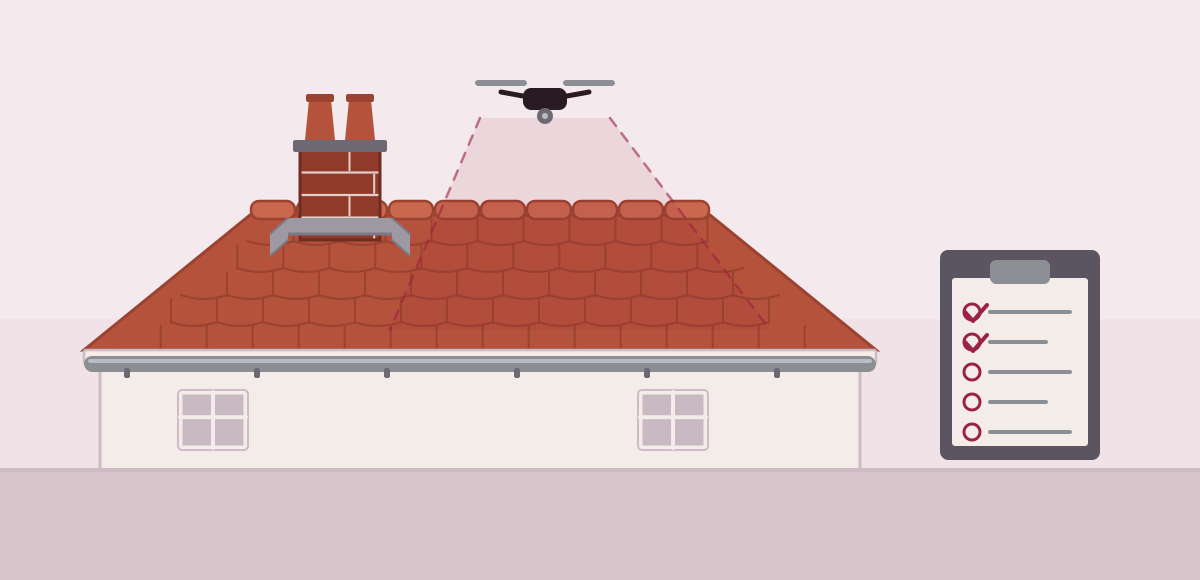
- Drone survey of areas that are hard to reach
- Checking flashings, ridges, valleys and gutters
- Photographs of any problems found
- Written report with recommended repairs
What is involved
A roof survey is a close look at the roof and everything that keeps water out of it. The surveyor checks the tiles or slates, ridge and hip tiles, valleys, flashings, chimney stacks, gutters, fascias and soffits, and the roof structure where it can be seen. They record faults and say what looks worn, loose or at risk.
There are several kinds. A basic visual inspection costs £100 to £250, and a full close inspection costs £200 to £450. A drone survey, which gives photographs of areas that are hard or unsafe to reach, costs £200 to £500. A detailed condition report costs £300 to £600. Which one suits you depends on why you want it.
People often book a survey when buying or selling a house, after storm damage, when the roof is getting old, or before deciding between a repair and a replacement. If you plan to make an insurance claim, check your policy wording and ask what evidence the insurer wants.
A written report with dated photographs is the most useful record. Some roofers include a look at the roof in a repair quote, so ask whether the survey is charged separately. You can look at the roof yourself from the ground, with binoculars, for slipped tiles, sagging, moss and blocked gutters, but do not go up on the roof yourself.
Choosing someone for the job
Ask exactly what the survey covers, and whether it is a visual look, a close inspection, a drone survey or a full condition report. Ask whether you get a written report with photographs, and whether the cost is separate from any repair quote. Ask about the insurance the surveyor carries. Ask whether the firm belongs to a trade body or scheme, and look the business up on that body's own register.
Worth reading first:
Related jobs:
Common questions
What does a roof survey include?
The surveyor checks the roof covering, ridges, valleys, flashings, chimney stacks, gutters and roofline, and the roof structure where it can be seen. They record faults, usually with photographs, and say what may need repair.
When should I get a roof survey?
Common times are when buying or selling a house, after storm damage, when the roof is ageing, and before a repair or replacement. Ask a roofer or surveyor what level of survey suits your reason.
Can a drone survey replace a visit on the roof?
A drone can photograph areas that are hard or unsafe to reach, and it avoids ladders and scaffolding. Some faults only show up close, so ask the surveyor whether a drone is enough for your roof or should be combined with a close look.
Who can carry out a roof survey?
Roofers and building surveyors both do. Ask what experience they have, what insurance they carry, and whether you will get a written report with photographs. Check whether the survey is separate from any repair quote.
Will I get a written report?
Ask when booking. A written report with dated photographs is the most useful record, whether you are buying a house, claiming on insurance or deciding on repairs. Some quick visual checks only give a verbal summary.
Can I check my roof myself?
From the ground, look for slipped or missing tiles, sagging, moss, blocked gutters and damp patches on ceilings. Binoculars help. Do not go up on the roof yourself. A roofer can look closer and tell you what needs doing.