Guide
Roof verge and ridge: what they are
The ridge runs along the highest line of a pitched roof and the verge is the edge at a gable end. See what each is, how mortar fails, and what dry systems are.
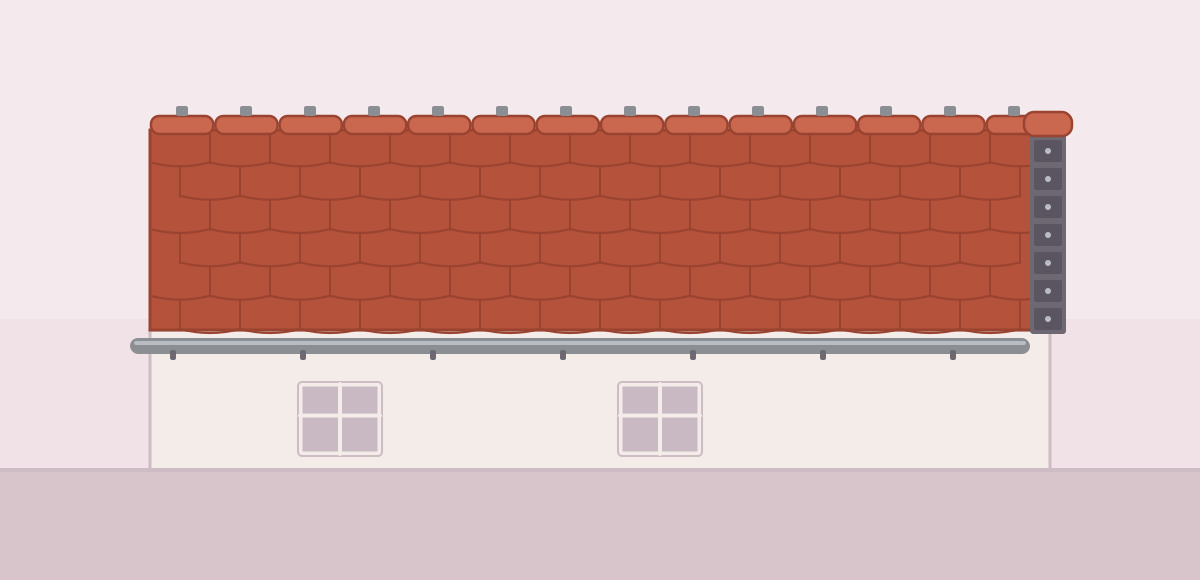
What the ridge and the verge are
On a pitched roof, the ridge is the line along the highest point where two slopes meet. It is covered by ridge tiles, which published guides describe as the tiles along the upper line of a pitched roof.
The verge is the edge of a pitched roof at a gable end, where the roof finishes against the side of the house. Both are sealed to keep wind and rain out from under the roof covering.
How mortar ridges and verges wear
Traditionally both are bedded in mortar. A published guide says mortar can crack and crumble over time, and that it often needs repointing. Another says mortar-bedded ridge tiles face severe thermal cycling and wind uplift, which is why ridge tile failure is common.
On a verge, homeowners often notice the first sign on the ground: bits of cracked mortar dropping into the garden.
Repointing or rebedding
Repointing can extend the life of a ridge, and one published guide puts the gain at 5 to 10 years. The same guide says ridge tiles that are cracked, heavily weathered or mismatched call for stripping and relaying instead.
If tiles have slipped or you can see gaps from the ground, ask a roofer to look. Do not go up on the roof yourself.
Dry ridge and dry verge systems
A dry ridge system holds the ridge tiles with mechanical fixings such as clamps, unions and brackets instead of mortar. A dry verge system replaces mortar at the verge with mechanically fixed caps that help secure the roof tiles.
Published guides say these need less upkeep than mortar. Guarantees on standard kits are quoted at around 15 years, and one guide points out that a guarantee is not the same as the expected lifespan. Most dry ridge and dry verge jobs are described as taking one to two days.
What the work can cost
Published cost guides give ridge repair or repointing as £200 to £1,200, depending on the length of the ridge and the access. A dry ridge system is given as £500 to £2,500 all in, which one guide splits by roof size.
Verge prices are quoted less often, so ask for a written price for your roof. Ask whether scaffolding is included.
Common questions
What is the verge of a roof?
It is the edge of a pitched roof at a gable end, where the roof meets the side of the house. It is sealed with mortar or with a dry verge system to keep wind and rain out from under the roof covering. Cracked mortar on the ground below is often the first sign of wear.
Why do ridge tiles come loose?
A published guide says mortar can crack or crumble over time, and that mortar-bedded ridge tiles face heavy wind and temperature changes. A roofer can repoint or relay the tiles, depending on their condition.
Should I choose a dry ridge instead of mortar?
Published guides say dry systems need less upkeep than mortar and are fixed mechanically. Ask a roofer which suits your roof and what guarantee comes with the system. Published guides also say a guarantee is not the same as the expected lifespan.