Guide
What are fascias and soffits?
A fascia is the board along the roof edge and a soffit is the board under the overhang. See what each does, how long they last and when to cap or replace.
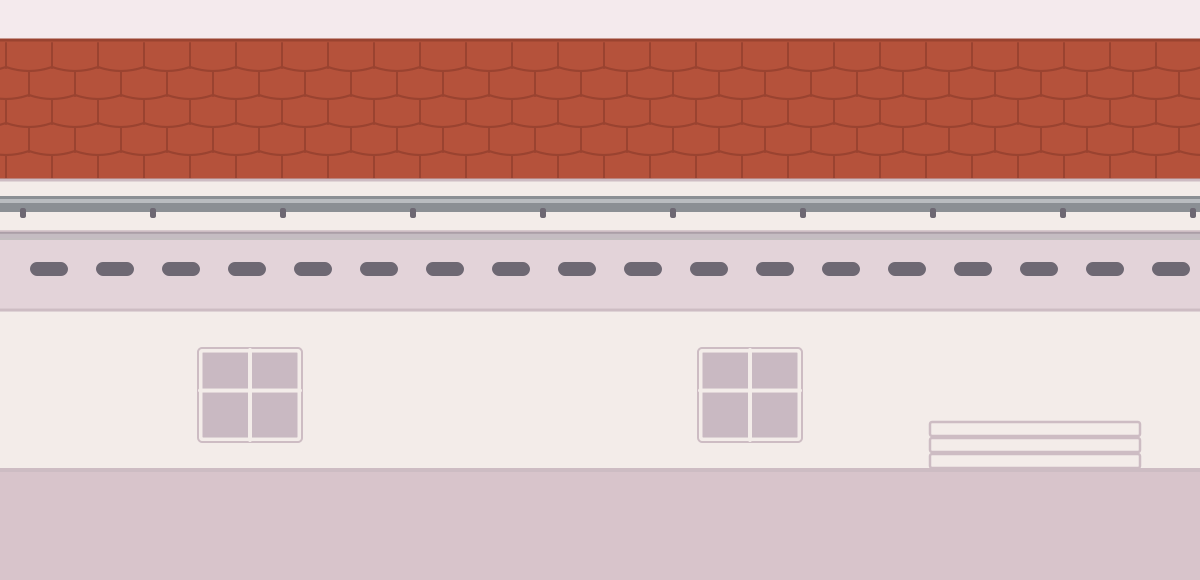
Fascia and soffit: what each one is
Published cost guides describe the fascia as the board that runs along the lower edge of the roof, fixed to the ends of the rafters. It closes off the roof edge, supports the bottom row of tiles or slates, and carries the gutter brackets.
The soffit is the board under the overhang. It runs back from the fascia to the wall and closes the gap against birds and weather. In many roofs it is also where air enters to ventilate the roof space.
Fascia vs soffit
The fascia is the board you see when you look up at the front edge of the roof from the garden or street. The soffit is the flat board you see on the underside of the overhang. Together they finish the roof edge, and the gutter is fixed to the fascia.
That is why a soft or rotten fascia can show up as a sagging or overflowing gutter.
Signs they need attention
Published guides list the same warning signs: peeling paint or cracked surfaces, soft wood that gives under pressure, gaps between the fascia and the roof tiles, and sagging or leaking guttering. Birds, wasps or squirrels getting behind the soffit are another sign, as are dark staining on the outside walls or damp patches near the ceiling inside.
One guide adds that a solid soffit with no ventilation is a defect, because the roof space needs airflow.
Materials and how long they last
One published guide says uPVC lasts about 20 to 30 years and needs no painting. Another gives 20 to 35 years for uPVC and 15 to 25 years for timber with maintenance. A third says timber needs repainting every four to six years.
Aluminium and cast iron are also used. Cast iron is often needed on period, listed or conservation-area properties. Lifespans depend on the product, the fitting and the weather, so ask the firm what it is fitting.
Replace or cap
Capping (also called overcladding) fixes uPVC boards over the existing timber instead of stripping it out. One guide says it can save roughly 30 to 40 percent against full replacement.
Capping only makes sense if the timber underneath is sound. Covering rot can seal moisture in, so the decay carries on out of sight. Ask the firm to show you the condition of the timber and to state in writing which method it is using.
What the job involves and costs
A published guide says a two-person team is usual and that most jobs take one to three days. Scaffolding is usually needed to work safely at roof level.
Published cost guides give uPVC fascias and soffits for a semi-detached house as £1,200 to £3,500. Scaffolding is sometimes included in a quote and sometimes extra, so ask what the price covers.
Common questions
Is the gutter fixed to the fascia or the soffit?
The fascia. Published guides say it carries the gutter brackets. A soft or rotten fascia can make the gutter sag or overflow. The soffit sits underneath and closes the gap back to the wall. If you are not sure which board is failing, a roofer can check both from a ladder or scaffold tower.
Do soffits need to be ventilated?
One published guide says a solid soffit without ventilation is a defect, because the roof space needs airflow. If you are having soffits replaced, ask how ventilation will be kept. A roofer can tell you whether your soffits provide it.
Can I cap fascias and soffits instead of replacing them?
Only if the timber underneath is sound. Capping over rot can trap moisture. Ask the firm to show you the timber and to put the method in writing. Capping is usually quicker and cheaper than replacement, according to published guides.